

Mental Health Week 2026: The Seven Emotions in Chinese Medicine and What the Research Says
Chinese medicine treats mental health as part of whole-body health: emotions, sleep, digestion, breathing and daily rhythm are read together rather than separately. To mark World Mental Health Day on 10 October 2026 and the week of conversation around it, the UK Centre of Chinese Medicine (CCMUK) explains how traditional Chinese medicine understands the emotions, why autumn is a season to pay attention, what modern research says about acupuncture and tai chi, and how to stay safe while exploring them.
Key takeaways
- The 2026 World Mental Health Day theme is Lived Experiences Heard: Real Voices, Real Change, chosen by the World Federation for Mental Health.
- More than 1 billion people worldwide live with a mental health condition, according to the World Health Organization.
- Chinese medicine describes seven emotions that are healthy in balance and only become a problem when they are too intense, last too long or are held in.
- A Cochrane review of 64 trials found acupuncture may reduce the severity of depression, although the quality of evidence was low.
- Tai chi and qigong show some of the most consistent benefits for anxiety and low mood among traditional Chinese practices.
- Chinese medicine can sit alongside, but should never replace, care from your GP or mental health team.
Why this Mental Health Week matters
World Mental Health Day has been marked every 10 October since 1992, when the World Federation for Mental Health first launched it. This year’s theme, Lived Experiences Heard: Real Voices, Real Change, asks health systems and communities to treat the knowledge of people who have lived through mental illness as a genuine form of expertise. It is a message that sits comfortably with Chinese medicine, where a consultation begins by listening carefully to how a person describes their own sleep, appetite, energy and feelings.
The need has never been greater. In 2025 the World Health Organization reported that more than one billion people are living with a mental health condition, with anxiety and depression the most common. In the UK, the charity Mind reports that one in four adults in England and Wales experiences a mental health problem each year.
Real voices that changed the conversation
This year’s theme is about lived experience, and few things have done more to reduce stigma than well-known people speaking honestly about their own mental health. Each of them has shown that asking for help is a sign of strength, not weakness.
Stephen Fry
His 2006 documentary The Secret Life of the Manic Depressive explored his own bipolar disorder and reached millions. He has been president of Mind since 2011.
Prince Harry
With the Prince and Princess of Wales he launched Heads Together in 2016, and later spoke openly about having counselling after years of not dealing with grief.
Ruby Wax
The comedian has written and spoken widely about her depression, and went on to train in mindfulness-based cognitive therapy at the University of Oxford.
Frank Bruno
The former world heavyweight champion has talked about living with bipolar disorder and set up the Frank Bruno Foundation to support others.
Naomi Osaka
The tennis champion withdrew from the 2021 French Open and spoke about her experience of depression and anxiety, prompting a global debate about athletes’ wellbeing.
Simone Biles
At the Tokyo Olympics in 2021 she stepped back from several events to protect her mental and physical safety, showing that rest can be the bravest choice.
How does Chinese medicine understand emotions?
Classical Chinese medicine describes seven emotions, known as the qi qing. None of them is considered bad. Joy, anger and grief are a natural part of being human, and feeling them fully is healthy. Problems are thought to arise when an emotion is very intense, lasts for a long time or has no outlet, because it then disturbs the smooth movement of qi (vital energy) and the organ system it is linked to.
At the centre of this picture is the Shen, often translated as spirit or mind, which is said to reside in the Heart. When the Shen is settled, a person sleeps well, thinks clearly and feels at ease; when it is disturbed, restlessness, poor sleep and anxiety can follow. We explore Shen theory in more depth in our article What Can TCM Teach Us About Mental Health?
Why autumn is a season to look after your mind
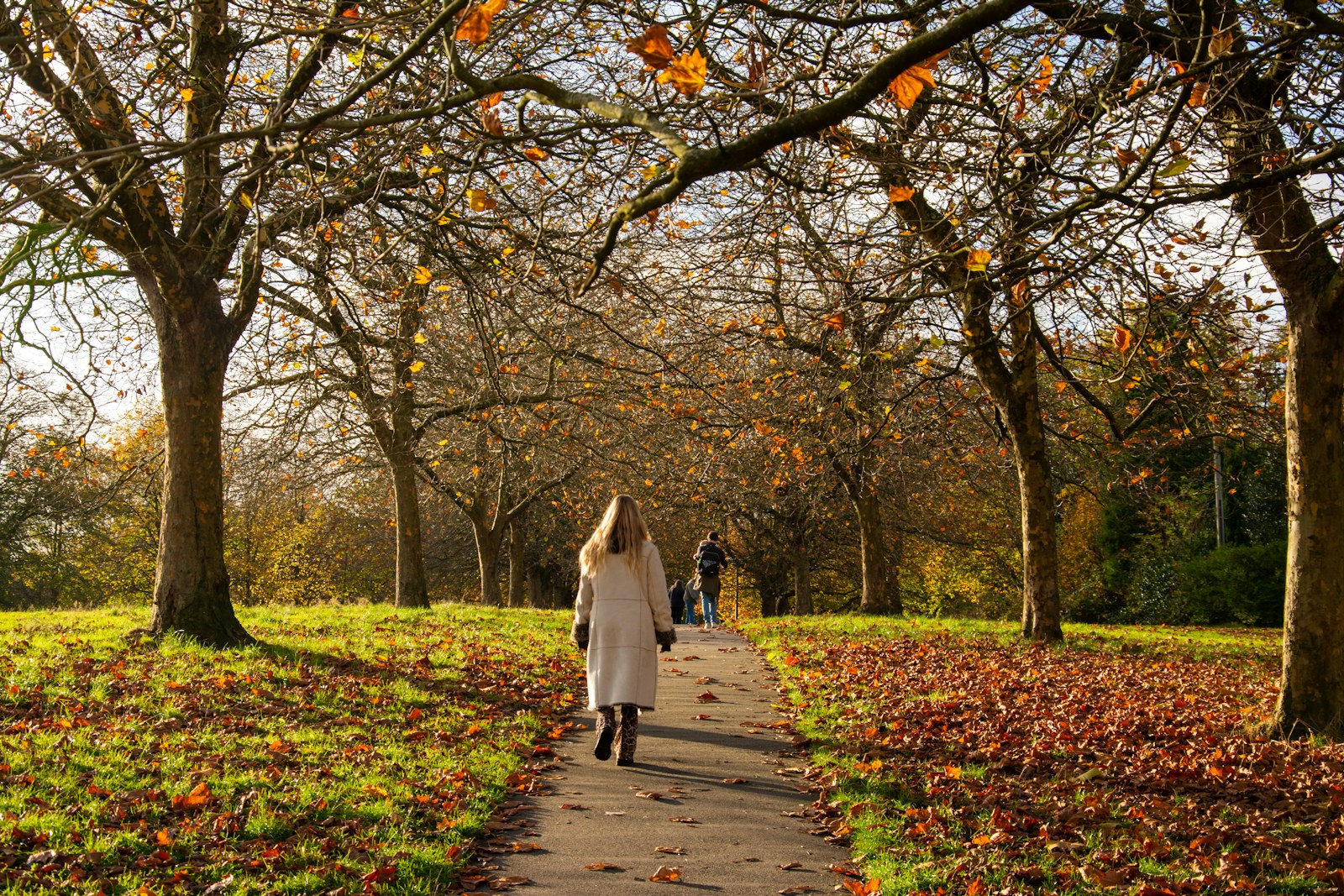
World Mental Health Day falls in autumn, which in Chinese five-phase theory belongs to Metal, the Lung and the emotion of grief. It is traditionally a season of letting go, as leaves fall and days shorten. Modern medicine recognises a seasonal pattern too: the NHS describes seasonal affective disorder as a type of depression that is often more noticeable in autumn and winter. Both traditions point to the same practical advice for this time of year: get outside in daylight, breathe deeply, keep a steady routine and give yourself permission to feel and talk about loss.
In Chinese medicine an emotion is not a fault to be fixed. It becomes a problem only when it is too strong, lasts too long or has nowhere to go.
What does the research say about Chinese medicine and mental health?
As a centre committed to research and education, CCMUK believes the public deserves an honest summary of the evidence, including where it is still weak. Here is where the main approaches stand today.
Tai chi and qigong
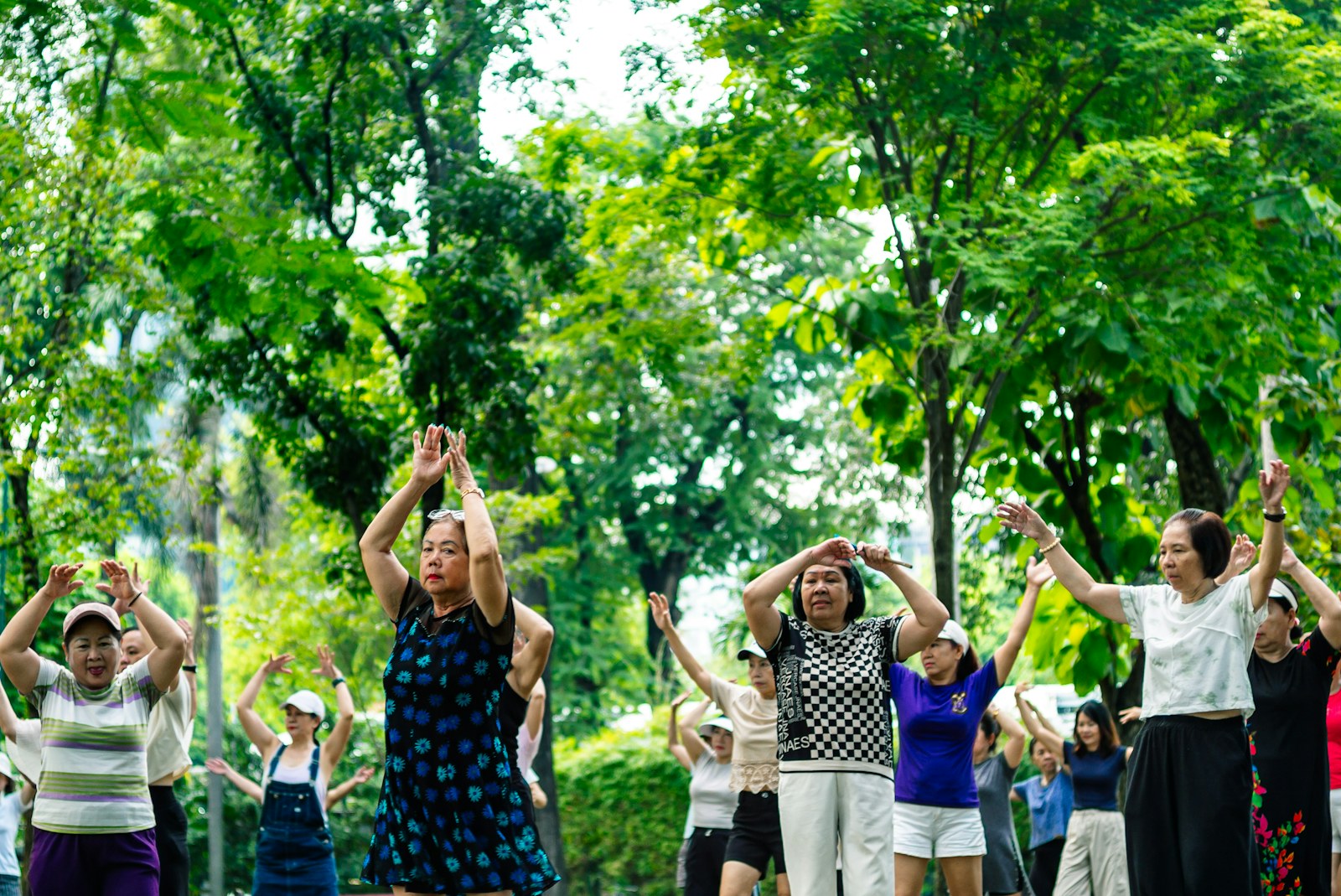
A 2025 systematic review and meta-analysis of 31 studies found that traditional Chinese exercises such as tai chi and qigong reduced anxiety and depression in adults aged 60 and over, with the greatest effects from regular 40 to 60 minute sessions. A 2023 review in the Journal of Affective Disorders tentatively found tai chi more helpful for mood than exercise without a mindful element.
Acupuncture
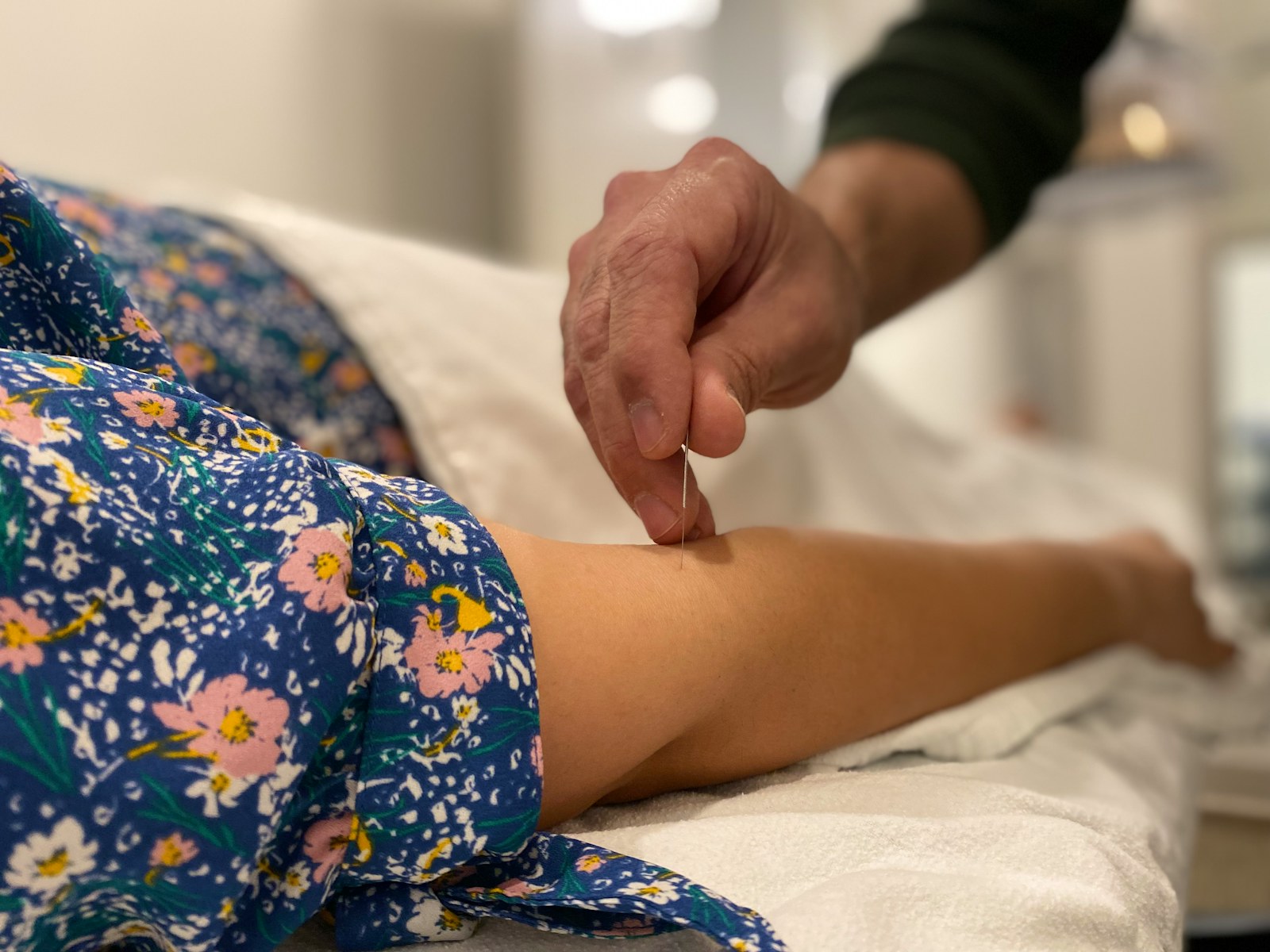
The 2018 Cochrane review of acupuncture for depression included 64 trials and 7,104 participants. Acupuncture may moderately reduce the severity of depression compared with no treatment, with a smaller effect compared with sham acupuncture. The reviewers rated the evidence as low quality and called for larger, better-designed trials.
Chinese herbal medicine
Classical formulas such as Xiao Yao San and Tian Wang Bu Xin Dan are widely used in clinics for stress and sleep, but high-quality Western trials are still limited. Herbs can interact with antidepressants and other medicines, so they should only be taken under the guidance of a qualified practitioner who knows your full medical history.
Closing these evidence gaps is a core part of our mission. Through UK and China research collaborations, our research programme and events such as the King’s Centre for Integrative Chinese Medicine Forum, CCMUK brings clinicians and academics together to test traditional approaches with modern methods. You can read more in how UK and China collaborations are building an evidence base.
Six habits inspired by Chinese medicine for a calmer mind
- Breathe slowly and deeply: the Lung governs qi in Chinese medicine, and a few minutes of slow belly breathing is one of the quickest ways to settle the nervous system.
- Move gently every day: tai chi, qigong forms such as Ba Duan Jin, or a brisk walk in daylight all help keep qi moving and lift mood.
- Keep a steady rhythm: regular sleep and wake times protect the Shen. Try to wind down before 11pm and keep screens out of the bedroom.
- Eat warm, regular meals: Chinese dietary therapy links worry and overthinking with a weakened Spleen, and favours cooked, nourishing food eaten at regular times.
- Let feelings move: stagnant Liver qi is associated with frustration and low mood. Talking, journalling, crying or creative work all give emotions somewhere to go.
- Stay connected: in keeping with this year’s theme, share your experience with someone you trust and listen when others share theirs.
How to choose a qualified practitioner in the UK
Acupuncture and Chinese herbal medicine are not regulated by law in the UK in the same way as doctors or nurses, so it is worth checking credentials before you book. Look for a practitioner who belongs to a recognised professional register, holds appropriate insurance, completes ongoing professional development and is happy to work alongside your GP. Always tell both your practitioner and your doctor about any medicines or supplements you take. Our guide to what makes a TCM practitioner qualified explains what to look for.
If you need support now
If low mood, anxiety or worry lasts more than two weeks, affects your daily life, or you are having thoughts of harming yourself, please reach out. In the UK you can:
- Speak to your GP or call NHS 111.
- Call Samaritans free, day or night, on 116 123.
- Text SHOUT to 85258 for free, confidential text support.
- In an emergency, call 999 or go to A&E.
Frequently asked questions
How does Chinese medicine view mental health?
Chinese medicine sees the mind and body as one system. Emotions are linked to organ systems, such as anger to the Liver and grief to the Lung, and mental wellbeing depends on the smooth flow of qi and a settled Shen, or spirit, which is said to reside in the Heart.
What are the seven emotions in Chinese medicine?
The seven emotions, or qi qing, are joy, anger, overthinking, worry, sadness or grief, fear and shock. They are normal and healthy, and are only thought to cause imbalance when they are excessive, prolonged or suppressed.
Can acupuncture help depression?
It may help. A 2018 Cochrane review of 64 trials and 7,104 people found acupuncture may reduce the severity of depression compared with no treatment, but the quality of evidence was low. It should be used alongside, not instead of, care from your GP or mental health team.
Is tai chi good for anxiety?
Research is encouraging. A 2025 meta-analysis of 31 studies found tai chi and qigong reduced anxiety and depression in older adults, with the best results from regular sessions of 40 to 60 minutes over several months.
Why is autumn linked to grief in Chinese medicine?
In five-phase theory, autumn belongs to Metal and the Lung, whose emotion is grief. It is traditionally a season of letting go. Modern medicine also recognises that some people experience low mood in autumn and winter, known as seasonal affective disorder.
Can I use Chinese herbal medicine with antidepressants?
Only with professional advice. Some herbs can interact with antidepressants and other medicines. Never stop or change prescribed medication without speaking to your doctor, and tell any herbal practitioner about everything you take.
When is World Mental Health Day 2026 and what is the theme?
World Mental Health Day is held every year on 10 October. The 2026 theme, set by the World Federation for Mental Health, is Lived Experiences Heard: Real Voices, Real Change.
The bottom line
Chinese medicine offers a compassionate way of looking at mental health: emotions are natural, the mind and body are connected, and small daily habits such as breathing, gentle movement, regular meals and honest conversation can make a real difference. The research is strongest for tai chi and qigong and still developing for acupuncture and herbal medicine, which is why CCMUK continues to invest in education and research. This Mental Health Week, the most important step is the simplest one: listen to your own experience, share it with someone you trust and reach out for professional help when you need it.
Learn more with CCMUK
CCMUK is a not-for-profit centre dedicated to advancing Chinese medicine in the UK through education, research and publications. Explore our courses and CPD programmes, upcoming conferences and events, or read more on our blog.
Sources
- World Federation for Mental Health (2026). World Mental Health Day 2026: announcing this year’s theme.
- World Health Organization (2025). Over a billion people living with mental health conditions.
- Mind. Mental health facts and statistics.
- Smith CA, Armour M, Lee MS, Wang LQ, Hay PJ (2018). Acupuncture for depression. Cochrane Database of Systematic Reviews.
- Exploring the benefits of traditional Chinese exercises (Tai Chi and Qigong) on the anxiety and depression of older adults (2025). Medicine.
- The comparative effects of Tai chi versus non-mindful exercise on anxiety, depression and general mental health (2023). Journal of Affective Disorders.
- NHS. Seasonal affective disorder (SAD).
This article is for educational purposes only and is not medical advice. Always consult a qualified healthcare professional about your health.