

Cold Hands and Feet in Winter: What Chinese Medicine Says About Circulation
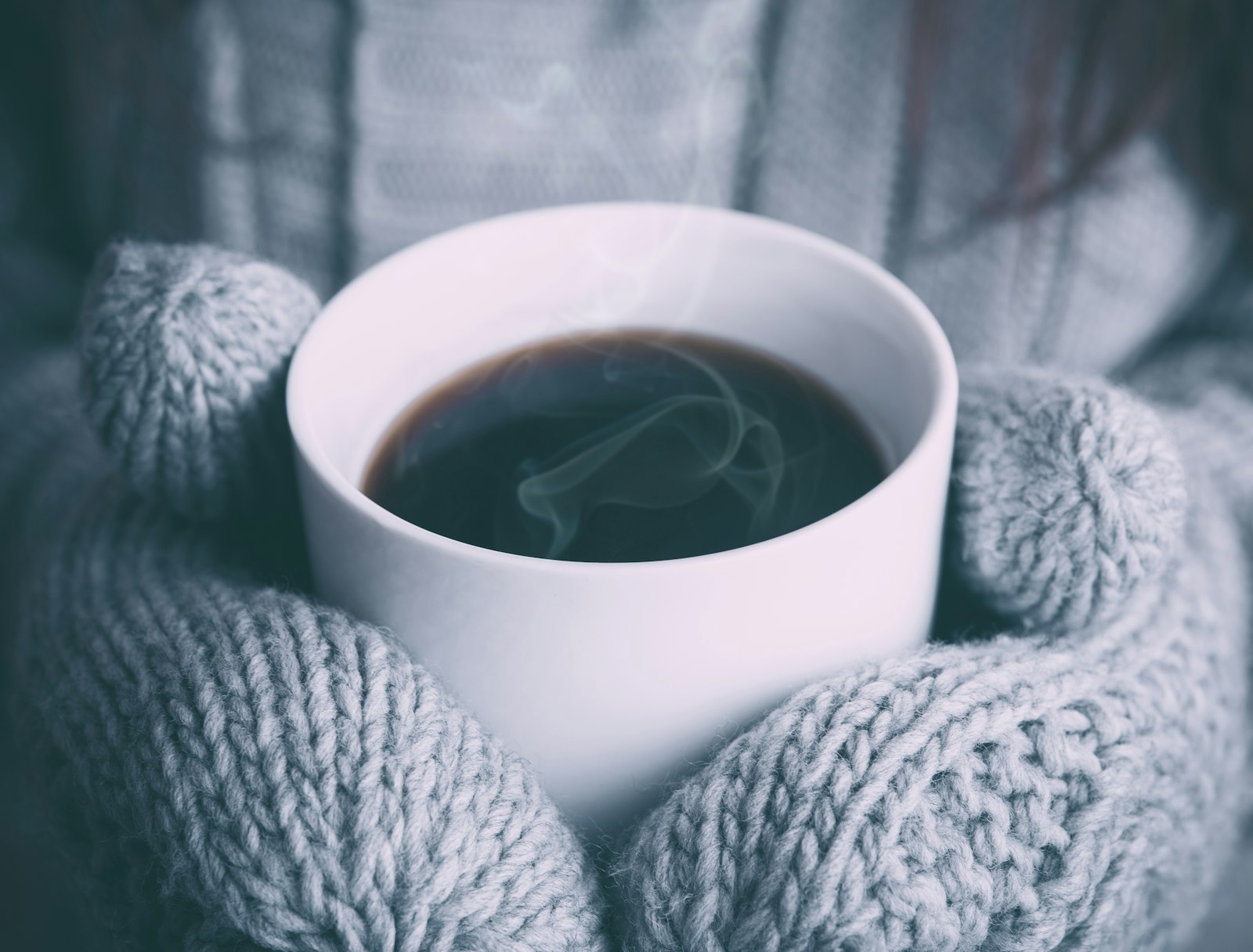
Every winter, the same people reach for a second pair of socks and wrap their hands around a hot mug long after everyone else has warmed up. Cold hands and feet are usually harmless, but they can be uncomfortable and, for some, a sign of something worth checking. Chinese medicine has paid close attention to this for centuries. It sees warmth in the hands and feet as a sign of how well Qi, Blood and Yang are reaching the outer edges of the body. In this guide, the UK Centre of Chinese Medicine (CCMUK) explains the patterns behind cold extremities, how Raynaud’s fits in, and the simple warming habits that help.
Key takeaways
- Cold hands and feet are very common in winter and are usually a normal response to cold.
- Around 10 million people in the UK are estimated to have Raynaud’s, where fingers and toes overreact to cold or stress.
- Chinese medicine links persistent cold extremities with Yang deficiency, Blood deficiency or Qi that is not moving freely.
- Warm food, regular movement, layering and keeping the core warm all help circulation reach the hands and feet.
- See your GP if attacks are painful, one-sided, cause sores, or come with joint pain, rashes or swallowing problems.
Why do hands and feet get cold first?
When you feel cold, your body protects its vital organs first. Small blood vessels in the fingers and toes narrow so that warm blood stays in the core. That is perfectly healthy. Problems arise when the response is exaggerated, lasts a long time, or happens even indoors. Stress, smoking, low body weight, inactivity and some medicines can all make it worse.
For some people the reaction becomes Raynaud’s phenomenon. The charity Scleroderma & Raynaud’s UK estimates that around 10 million people in the UK are affected. Fingers or toes can turn white, then blue, then red as blood returns, often with numbness or throbbing. Most cases are primary Raynaud’s, which is not linked to another illness. A smaller number are secondary, caused by another condition such as scleroderma, and need medical monitoring.
How does Chinese medicine explain cold hands and feet?
In Chinese medicine, Yang is the warming, activating force of the body, and Blood is what carries nourishment to the tissues. Qi moves the Blood. For warmth to reach the fingers and toes, all three need to be strong and free-flowing. Classical texts use the term si ni, meaning “the four limbs counterflow cold”, to describe hands and feet that stay cold while the body feels otherwise fine. The famous physician Zhang Zhongjing wrote about it nearly 1,800 years ago, and his formulas for it are still studied today.
In Chinese medicine, cold fingers and toes are not just about the weather. They show how well warmth is travelling to the edges of the body.
Three common patterns
Yang deficiency
Cold all over, tiredness, pale face, wanting warm drinksThe body’s inner fire is low, so there is not enough warmth to send outwards. Often worse in winter and in the mornings, and common in older people.
Blood deficiency with cold
Cold, pale fingers, numbness, dizziness, light periodsThere is not enough Blood to fill the small vessels. Dang Gui Si Ni Tang, one of Zhang Zhongjing’s formulas, was written for this picture.
Qi stagnation
Hands go cold with stress, tense shoulders, irritabilityWarmth is there, but it is stuck. Stress blocks the flow of Liver Qi so it cannot reach the limbs. This often fits people whose hands go icy in tense situations.
A qualified practitioner will look at your tongue and pulse and ask about sleep, digestion and energy before deciding which pattern fits. You can read how that assessment works in our guide to pulse and tongue diagnosis.
Seven warming habits for winter
- Keep your core warm: a warm vest or extra layer around the lower back helps more than gloves alone, because the body only sends heat outwards once the core feels safe.
- Eat warm, cooked food: soups, stews and porridge are favoured in Chinese dietary therapy in winter, with warming spices such as ginger, cinnamon and spring onion.
- Cut back on iced drinks and raw food: these are thought to weaken digestive Yang, especially in the colder months.
- Move little and often: swinging the arms, rubbing the palms together and walking all pump warm blood to the extremities.
- Try a warm foot soak: ten minutes in warm (not hot) water before bed is a traditional winter habit. Avoid very hot water if your feet are numb.
- Manage stress: slow breathing helps blood vessels relax, which matters if stress triggers your cold hands.
- Stop smoking: nicotine narrows blood vessels and is one of the biggest avoidable causes of poor circulation.
Food is where most people start. Warming herbs such as ginger, cinnamon and dates have been part of Chinese winter cooking for generations, and if you would like to explore traditional herbal nutrition further, Vita Herbal Nutrition, part of the same Phoenix family as CCMUK, focuses on exactly this kind of everyday herbal approach. Speak to a pharmacist or practitioner first if you take blood thinners or other regular medicines, as some warming herbs can interact with them.
When to see your GP
Cold hands and feet are usually nothing to worry about, but speak to your GP or call NHS 111 if:
- colour changes are severe, painful or only affect one side
- you develop sores, ulcers or skin changes on your fingers or toes
- symptoms started after the age of 30 or come with joint pain, rashes, tiredness or difficulty swallowing
- your hands and feet are cold all the time alongside weight changes or exhaustion, which can sometimes point to an underactive thyroid or anaemia
Frequently asked questions
Why are my hands and feet always cold?
The body narrows small blood vessels in the hands and feet to keep the core warm. Some people have a stronger response, especially with stress, low body weight, smoking or inactivity. Persistent cold can also be linked to Raynaud’s, anaemia or thyroid problems, so see your GP if it worries you.
What does Chinese medicine say about cold hands and feet?
Chinese medicine links cold extremities mainly to Yang deficiency, Blood deficiency or stagnant Qi. In each case warmth is either too weak or cannot travel to the edges of the body. Treatment depends on which pattern is behind it.
What is Raynaud’s?
Raynaud’s is a condition where fingers and toes overreact to cold or stress, often turning white, blue and then red. Around 10 million people in the UK are thought to have it. Most cases are primary and not linked to another illness.
Which foods help keep you warm in winter?
Chinese dietary therapy favours cooked, warm meals in winter, such as soups, stews and porridge, with warming ingredients like ginger, cinnamon, spring onion, lamb and dates, while limiting iced drinks and raw food.
Can acupuncture help Raynaud’s?
Small studies have looked at acupuncture for Raynaud’s, but the evidence is limited. If you would like to try it, see a qualified practitioner and keep your GP informed, especially if you have secondary Raynaud’s.
The bottom line
Cold hands and feet are mostly a nuisance rather than a danger. Chinese medicine offers a helpful way to think about them: keep the centre of the body warm, eat warming food, keep moving and keep stress in check, and warmth has a much better chance of reaching your fingers and toes. If symptoms are severe or changing, a check-up with your GP comes first.
Learn more with CCMUK
CCMUK is a not-for-profit centre dedicated to advancing Chinese medicine in the UK through education, research and publications. Explore our courses and CPD programmes, upcoming conferences and events, or read more on our blog, including our guide to sleep in winter.